QUICK START
- Every working team is one carry plus three roles that exist to make that carry hit harder.
- Stacking one element across your damage dealers and support can raise damage substantially against enemies that don’t resist it.
- The strongest free team is Endministrator, Chen Qianyu, Pogranichnik and Lifeng — it clears endgame when geared.
- Ardelia earns a slot in almost any composition thanks to healing plus damage amplification.
- Mono-element teams beat predictable bosses; mixed teams handle content with varied resistances.
A strong Arknights Endfield team composition isn’t four good operators standing next to each other. It’s one damage carry surrounded by three roles that exist purely to make that carry hit harder — and getting those four slots right matters more than the rarity of anyone in them.
This guide covers concrete team templates you can actually build: the free-to-play squad that clears endgame, element-focused comps for Heat, Cryo and Electric, and how to decide which direction your account should commit to.
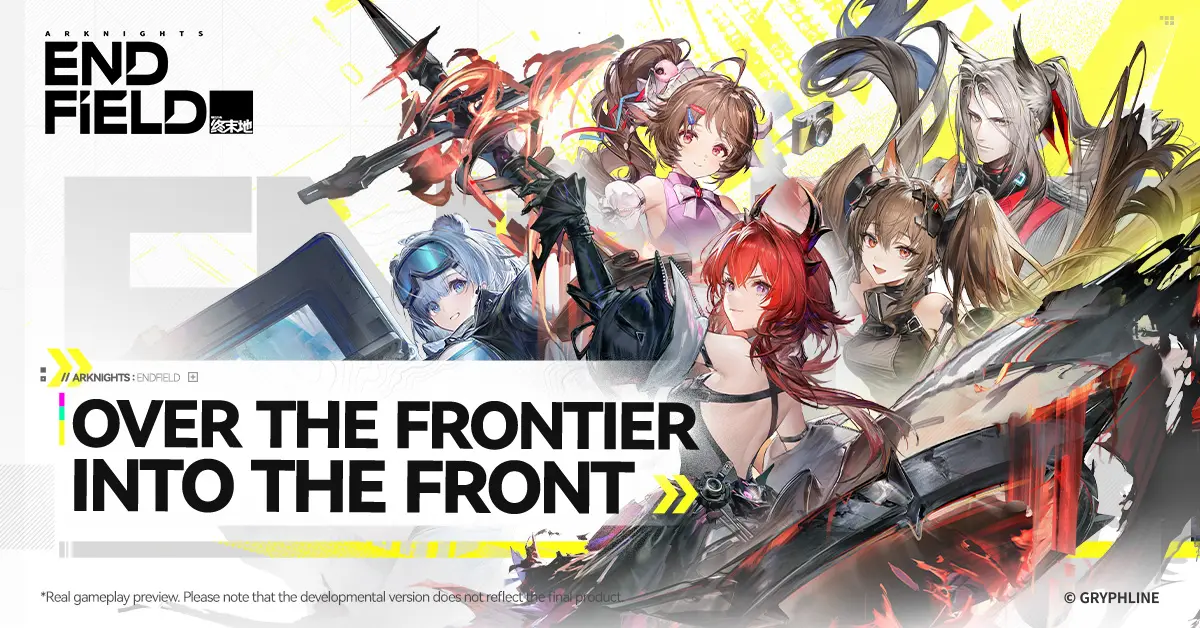
The Four Roles Every Arknights Endfield Team Composition Needs
Before the specific teams, the shape they all share:
- The carry — your main damage source, and the operator worth the bulk of your investment materials
- The enabler — applies the elemental Infliction your carry consumes
- The SP battery — usually a Vanguard, keeps skills firing often enough to sustain the rotation
- The amplifier — stacks damage-taken debuffs or buffs on top of everything else
Miss one of these and the team underperforms regardless of who fills the other three. A team with two carries and no SP battery does less damage than a team with one carry and a proper support line.
If you’re still working out which operators belong in which role, our Endfield operators guide covers the classes and how to prioritise investment.
The Best Free-to-Play Team
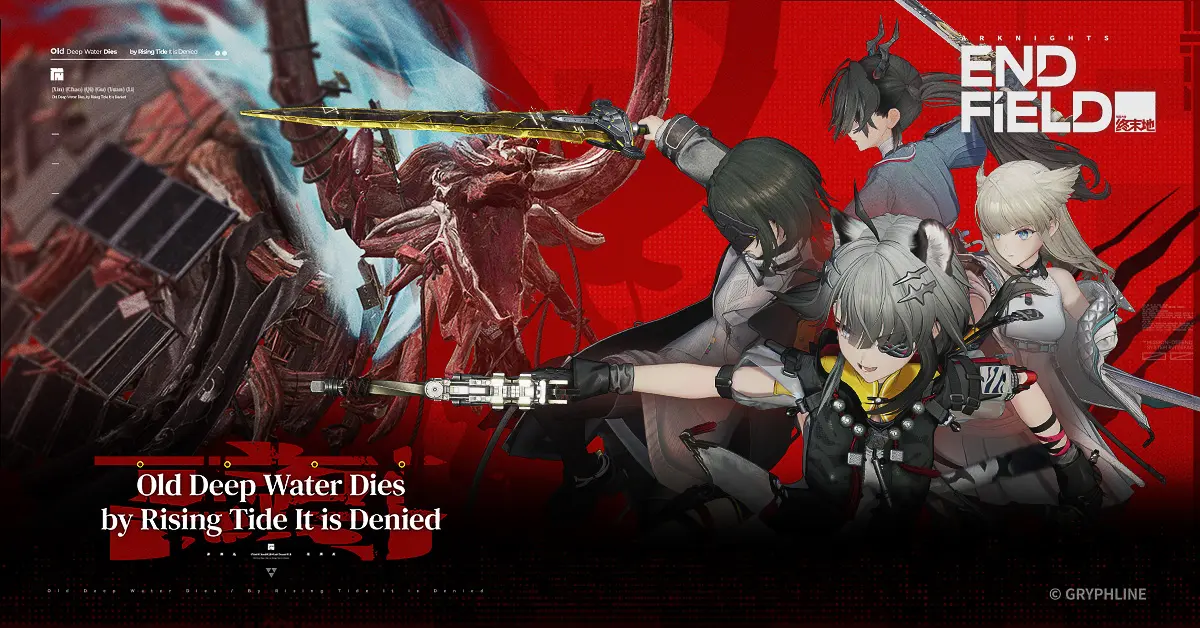
Endministrator + Chen Qianyu + Pogranichnik + Lifeng
Every member of this squad is either free or available from standard banners, and it clears endgame content once properly geared. That makes it the correct starting target for any new account, regardless of what you pull.
- Endministrator — your free 6-star Physical Guard, carrying early and shifting to sub-DPS later
- Chen Qianyu — stays relevant in Physical teams even after you pull 6-star alternatives
- Pogranichnik — applies Breach and generates SP that scales with Vulnerability consumption
- Lifeng — applies Physical Susceptibility and Vulnerability while providing Link
The value here isn’t just that it’s free. It’s Physical-focused, which means you’re not dependent on pulling a specific elemental carry to make it function.
Heat Team: Laevatain as the Carry
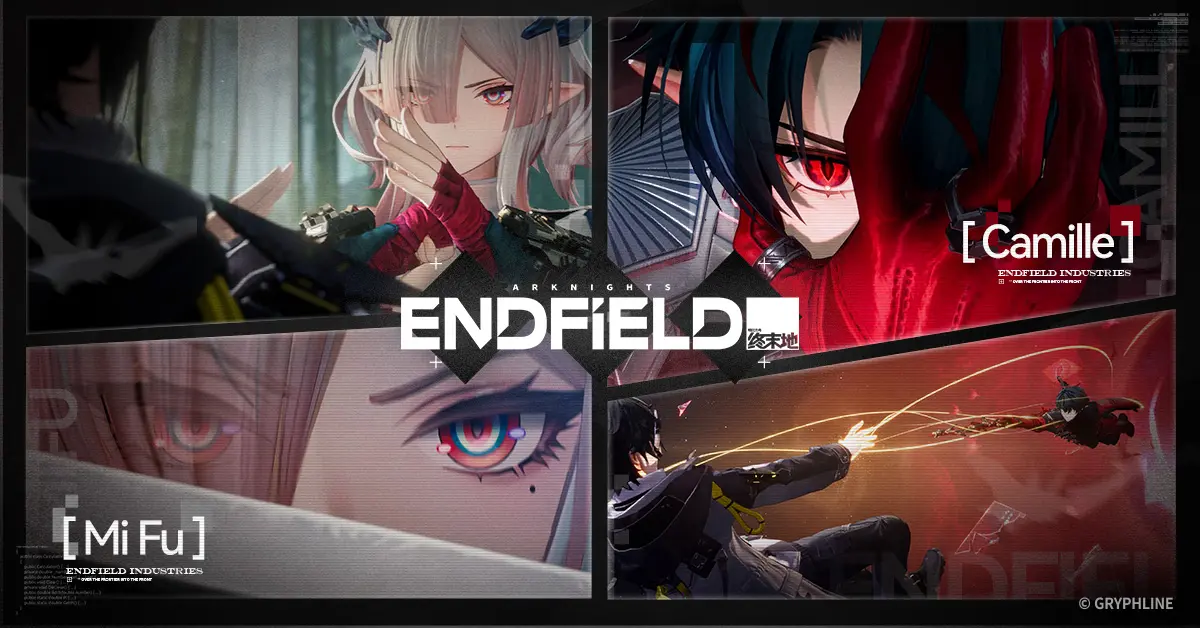 Laevatain + Wulfgard or Akekuli + Antal + Ardelia
Laevatain is built around Combustion and Corrosion, and her ceiling depends entirely on reliable Heat application from the rest of the team — which is exactly what this comp provides.
- Laevatain — main damage, with a crowd-clearing ultimate that makes story content trivial
- Akekuli — cycles skills rapidly, generating the Combustion layers Laevatain needs, and doubles as a strong SP battery
- Antal — one of the better amplifiers in the game
- Ardelia — healing plus damage amplification
If you secured Laevatain from a launch banner, this is the smoothest early-game experience available. Without her, don’t force the Heat direction.
Cryo Teams: Two Directions
Cryo splits depending on which carry you have.
Last Rite build: Last Rite is a relatively independent damage dealer who spikes when Cryo Infliction is stacked on enemies — consuming those stacks with her combo skill rapidly regenerates her ultimate energy, letting her stay aggressive. Xaihi is the meta support here, offering healing and Arts Amplification in one kit.
Yvonne build: If you pull Yvonne, she takes over as the primary damage dealer. Snowshine becomes essential in this version — Yvonne stays stationary during her ultimate, so Snowshine’s shields keep her alive while it resolves.
Cryo rewards a tactical, debuff-stacking playstyle. It’s the most demanding of the element lines to pilot well, and the most rewarding when you do.
Mono-Element or Mixed?
This is the real strategic question, and both answers are defensible.
Mono-element — stacking one element across your main DPS, sub-DPS and a support can multiply damage substantially against enemies that lack resistance to it, because buffs and reactions stack on each other. The trade-off is rigidity: against content that resists or nullifies that element, the whole team stalls.
Mixed — less peak damage, far fewer failure states. Beginners and hybrid setups often perform better here simply because they never hit a hard wall.
Practical approach: check enemy resistances before committing to a fight, and keep a flex slot you can swap to a different element for coverage. Mono-element teams dominate predictable boss fights where you know the resistances in advance.
Who to Bench
Community consensus on operators that don’t earn their slot in current compositions:
- Fluorite — Nature support that lacks the stability for consistent clears
- Catcher — counter-attack mechanics underperform in the current meta
- Estella — only shines in Cryo teams, too narrow for general use
None of these are unusable. They’re simply not worth limited investment materials when better options exist for the same role.
Banner schedules and operator release details are posted on the official Endfield site.
Building Your Team in Practice
Build one team properly before starting a second. Endfield rewards mastering a few operators over spreading resources thin. Get one core squad reliably clearing the content you need to farm, then expand.
Keep Ardelia in the conversation. Healing plus debuffs makes her valuable across almost every composition, which is rare enough to be worth noting.
Let Endministrator move down the order. It carries early, then becomes a solid sub-DPS once you have a stronger main. That transition is normal, not a sign you invested wrong.
Bench mismatched 6-stars. A high-rarity operator that needs an entirely different team structure around it is worth less right now than a 5-star that fits what you’ve already built. Come back to it when you have resources to build around it properly.
FAQ
What is the best free team in Arknights Endfield?
Endministrator, Chen Qianyu, Pogranichnik and Lifeng. Every member is free or from standard banners, and the squad clears endgame content once geared.
Should I run a mono-element team?
Mono-element multiplies damage against enemies without resistance to that element, but struggles against mixed-resistance content. Mono for known boss fights, mixed for general play.
What’s the best Heat team?
Laevatain as carry, with Akekuli or Wulfgard applying Combustion, Antal amplifying, and Ardelia healing.
Is Endministrator worth building?
Yes. It’s free, it carries the early game, and it stays useful as a sub-DPS after you pull a stronger main damage dealer.
How many teams should I build?
One, properly, before starting a second. Spreading investment across multiple half-built teams is the most common resource mistake.