QUICK START
- Stardust-heavy zones drain your stats even before combat starts — gear up before you enter, not after.
- Resources are zone-specific and deplete with use, so farming runs need a route, not just a destination.
- Contamination zones trade better loot for a countdown — know your exposure limit before you go in.
- Your base isn’t a convenience. Without it, crafting, storage, and recovery all stop working.
This breakdown of Once Human survival systems covers the four systems that punish players who don’t understand them — what they do, and how to stop losing progress to them.
This guide breaks down the four systems that punish players who don’t understand them — what they do, and how to stop losing progress to them.

Environmental Effects: The Zone Fights Back Before You Do
The world in Once Human isn’t a passive backdrop. Different zones apply different conditions — temperature extremes, Stardust contamination, radiation-like effects — that drain your stats the moment you enter, independent of anything trying to shoot you.
Walking into a zone unprepared means you’re losing resources before the first fight even starts. Preparation means checking a zone’s conditions before you commit to it, carrying the consumables that counter them, and packing gear rated for what you’re about to walk into. For a full breakdown of what to check before your first runs, see our Once Human beginner guide.
Resource Management: Nothing Respawns Where You Expect
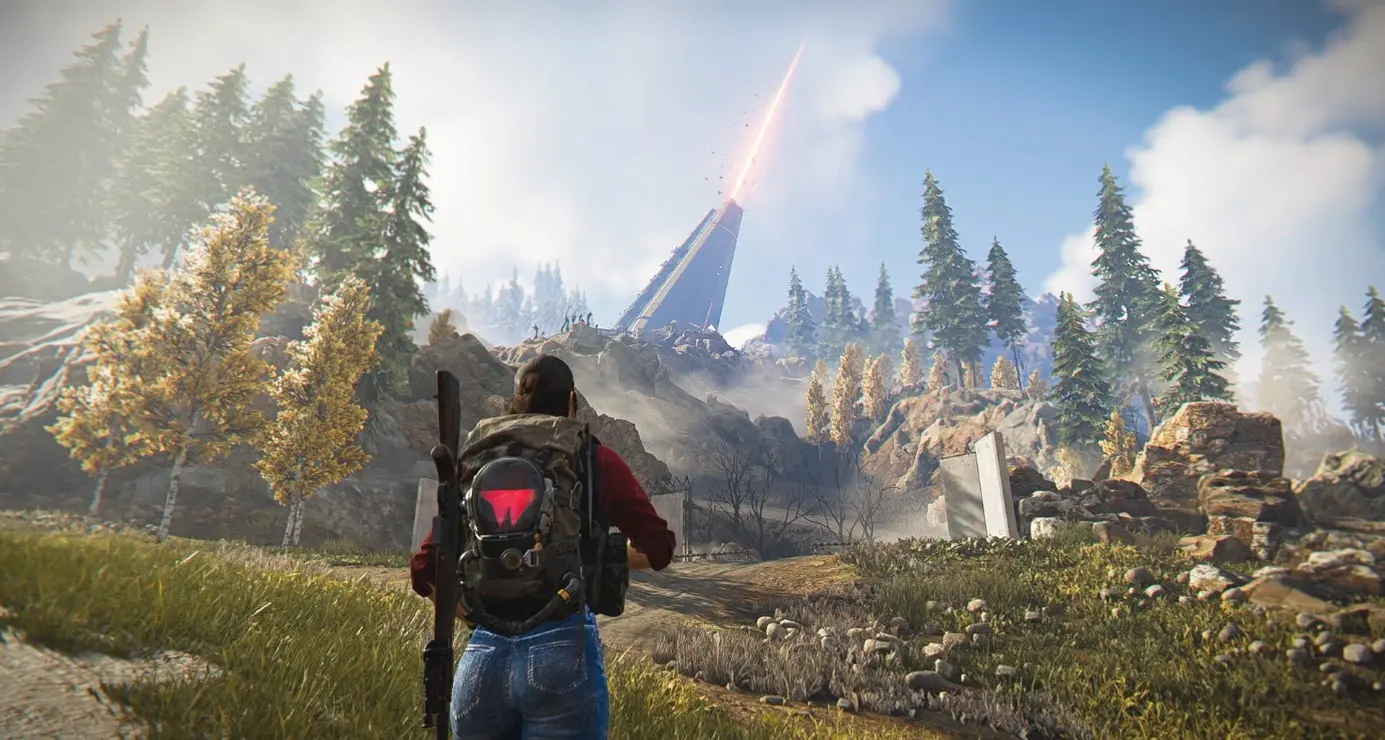
Materials in Once Human aren’t evenly spread, and they aren’t infinite where you find them. Specific resources cluster in specific zones, and how much is available shifts based on how recently — and how heavily — that zone has been farmed.
This punishes camping. If you keep returning to the same safe patch, you’ll find it thinner every trip. Efficient farming means treating it as a route across multiple zones rather than a single stop, and keeping enough of a buffer stocked that a bad run doesn’t stall your next base upgrade or crafting queue.
Contamination Zones: Better Loot, Real Cost

Contamination zones are the sharpest trade-off in the game. They apply persistent negative effects that compound the longer you stay — and they also carry the best loot tables in their tier. The game hands you a genuine risk-reward decision every time you enter one.
The players who benefit from these zones treat them as timed runs, not open-ended exploration: go in with protection gear equipped, know roughly how long you can last before the debuffs start costing you more than the loot is worth, and extract on that timer rather than pushing “just one more room.”
Progression Pressure: Standing Still Is Losing Ground
Survival here is tied directly to progression, not separate from it. Without steady upgrades to gear, base, and crafting, later zones get harder to survive at a rate that outpaces what a static loadout can handle. This is by design — the game is built to slow down players who treat gear and base upgrades as optional side content instead of part of staying alive.
In practice, this means every resource run and every base upgrade is doing double duty: it’s not just progress, it’s what keeps the next zone survivable.
Base Dependency: Everything Routes Back to Your Base
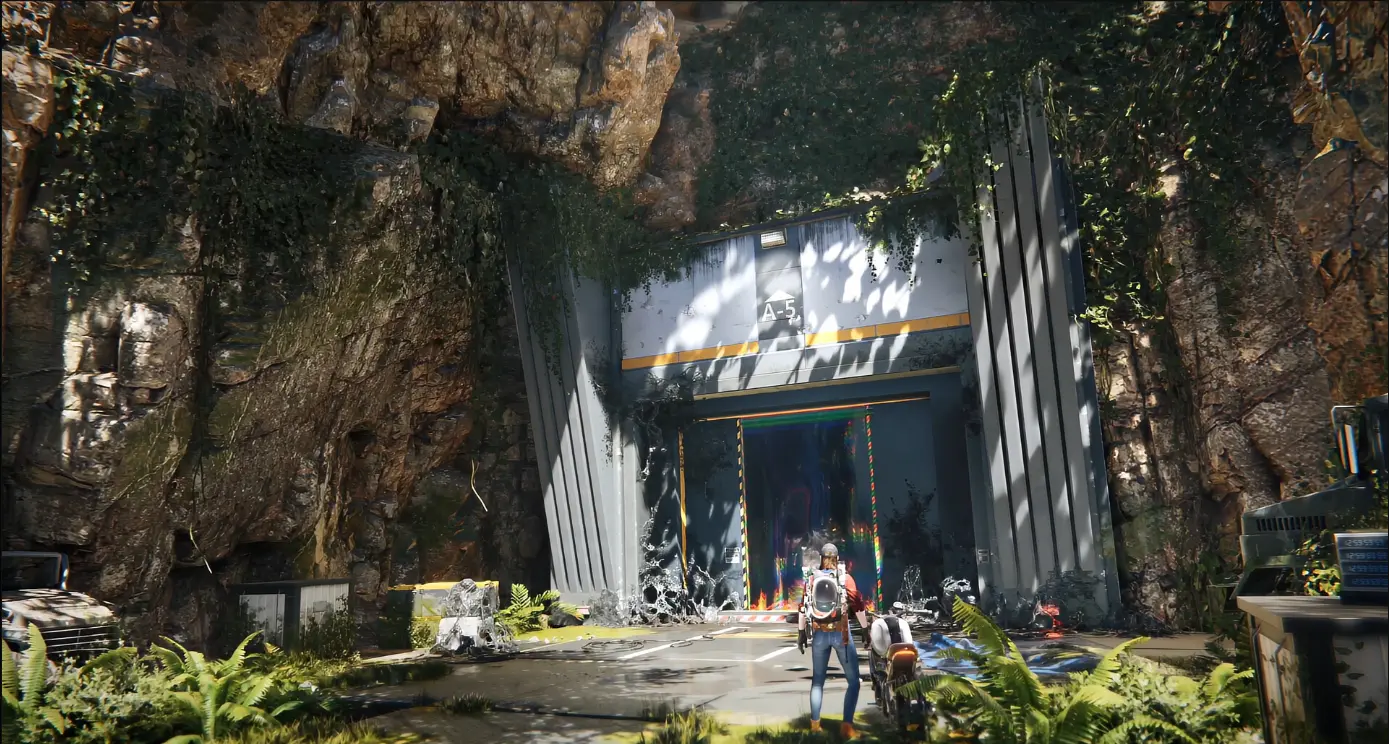
Your base isn’t optional infrastructure — it’s the hub every other system depends on. Without a functional base, you lose access to crafting, upgrades, storage, and recovery all at once. A weak base doesn’t just slow you down; it caps how far any of the other systems above can take you.
For the specifics on where to put your first base and how to expand it without wasting materials, see the base-building section of our Once Human guide.
Three Habits That Actually Fix This
Understanding these systems is one thing. Applying them consistently is what separates players who keep dying to “the world” from players who don’t:
- Check a zone’s conditions before entering — not after you’re already losing health.
- Keep a base upgrade cycle running between exploration runs instead of treating it as something to catch up on later.
- Never let your resource stock drop to zero before your next run — a buffer is what prevents one bad zone from stalling your whole loop.
None of this requires perfect play. It requires paying attention to systems the game never explains out loud.
FAQ
What’s the biggest survival mistake new Once Human players make?
Entering zones without checking their conditions first. Environmental effects start draining you immediately, before any enemy is involved.
Are contamination zones worth the risk?
Yes, if you treat them as timed runs. Go in geared for the debuffs, extract before they compound, and the better loot tables are worth it.
Why does my base matter this much?
Every other system — crafting, upgrades, storage, recovery — routes through it. A weak base caps your progress everywhere else, not just at home.
For the latest patch notes and current scenario details, check Once Human’s official Steam page.