QUICK START
- Four systems carry Once Human’s gameplay: exploration, combat, base building, and resource management — weakness in one drags down the others.
- Enemy behavior changes by zone and conditions, so a fixed strategy stops working the moment you change location.
- Your base is the hub everything routes through — crafting, upgrades, storage, and recovery all depend on it.
- Compared to Rust or DayZ, Once Human sits in the middle: more structure than DayZ, less PvP-focused than Rust.
This Once Human gameplay breakdown covers how combat, exploration, and base building actually work — and how they connect to each other.
The Four Systems That Run Everything
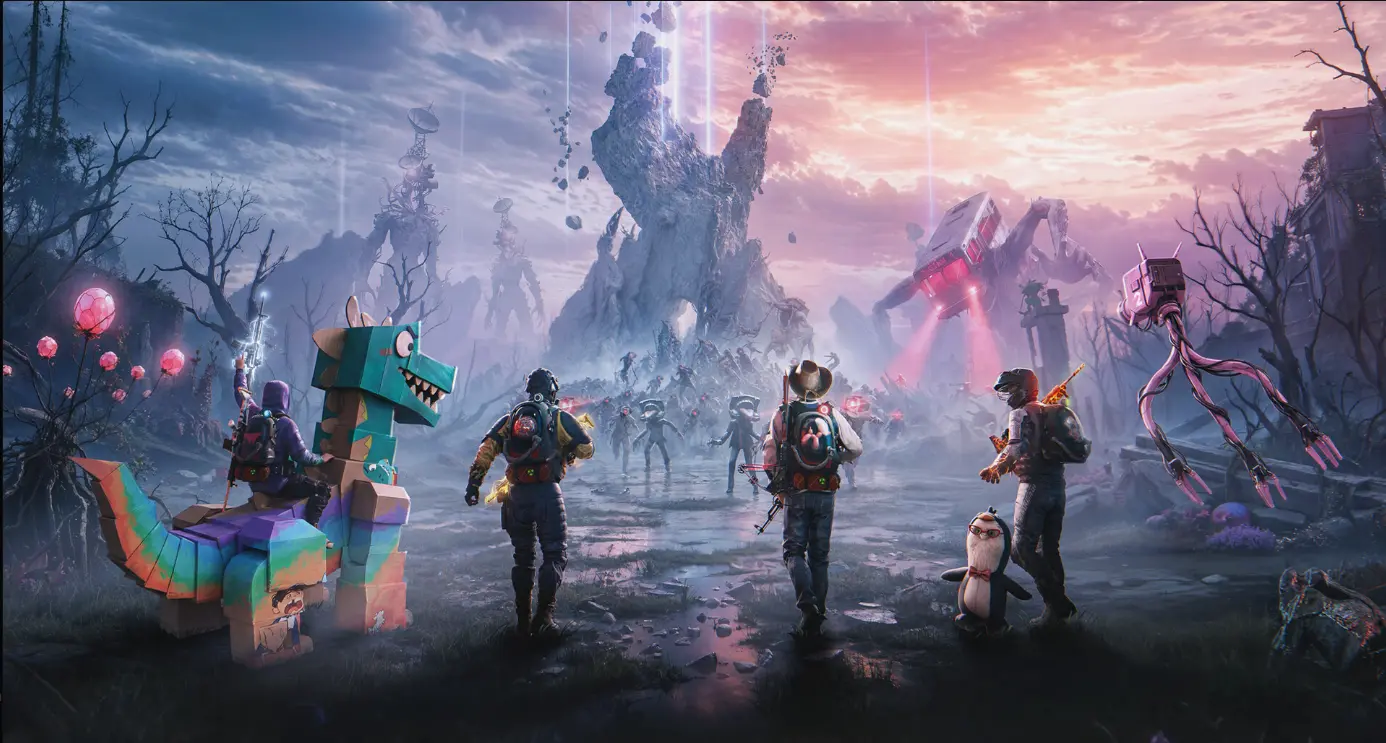
You’re playing a “Meta-Human” in a post-apocalyptic open world where survival depends on more than staying alive — the environment itself is actively working against you, not just the creatures in it.
Four systems carry the entire game: exploration, combat, base building, and resource management. They’re not siloed. A weak base slows your crafting, which weakens your gear, which makes exploration riskier, which starves your resource income. Understanding how they connect matters more than mastering any one of them in isolation.
Combat: Positioning Beats Memorization
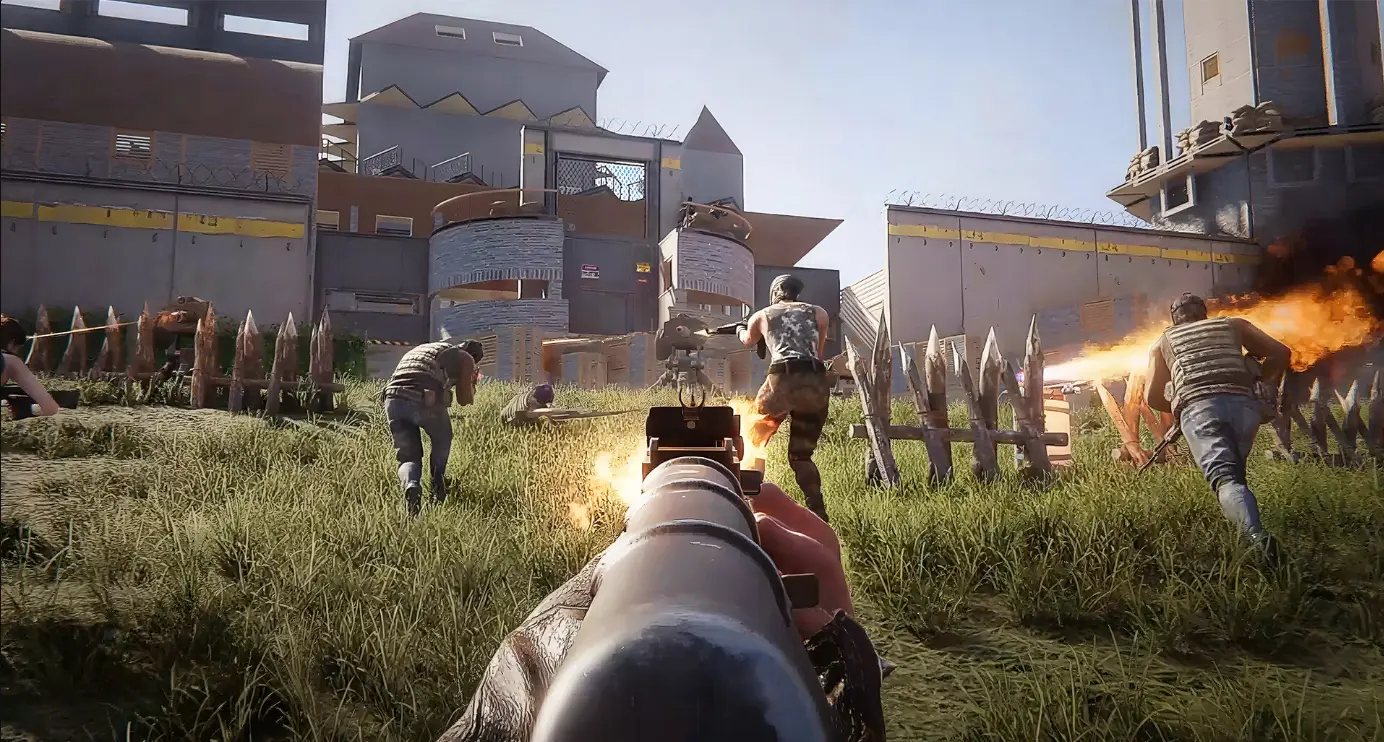
Combat here isn’t about learning a fixed enemy pattern and repeating it. Enemy behavior shifts based on location, time of day, and the environmental conditions active in that zone — a strategy that works in one area can fail outright in another.
Early fights are won and lost on positioning and awareness more than raw gear score. Engaging without checking what a zone throws at you tends to end fast and badly. The core combat elements worth tracking are weapon variety, stamina management, environmental cover, and reading how enemies adapt to your approach rather than expecting them to behave the same way twice.
Exploration: The World Changes Under You
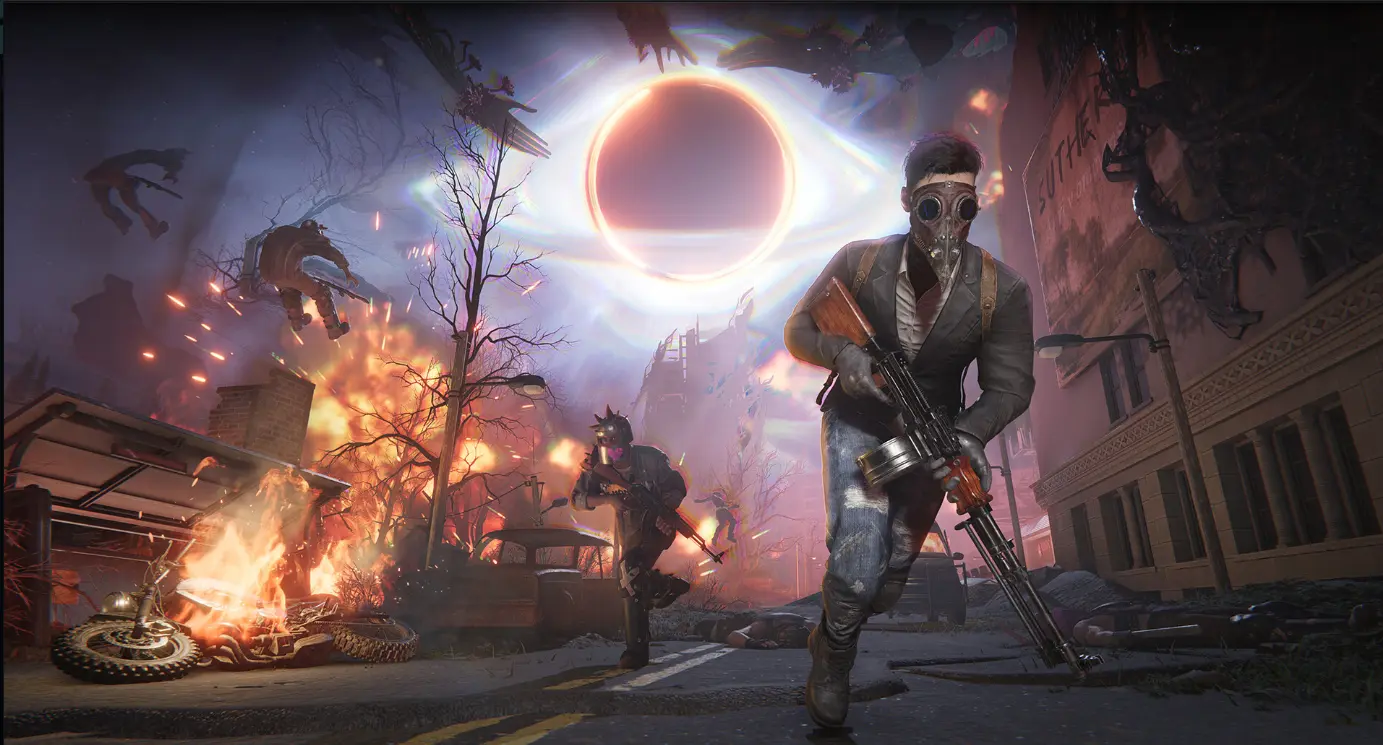
Exploration is where Once Human’s world design does the most work. Zones aren’t just re-skinned biomes — each introduces different mechanics, threats, and resources. Abandoned cities carry high-value loot alongside real risk. Corrupted forests apply environmental effects that drain your stats simply for being there.
Nothing here is passive. Every zone demands preparation before you enter it — the right gear, a resource buffer, and a sense of what that specific area is going to throw at you. Areas that felt manageable early on can also shift in difficulty as you progress, so exploration never fully stops requiring attention.
Base Building: The Hub Everything Depends On
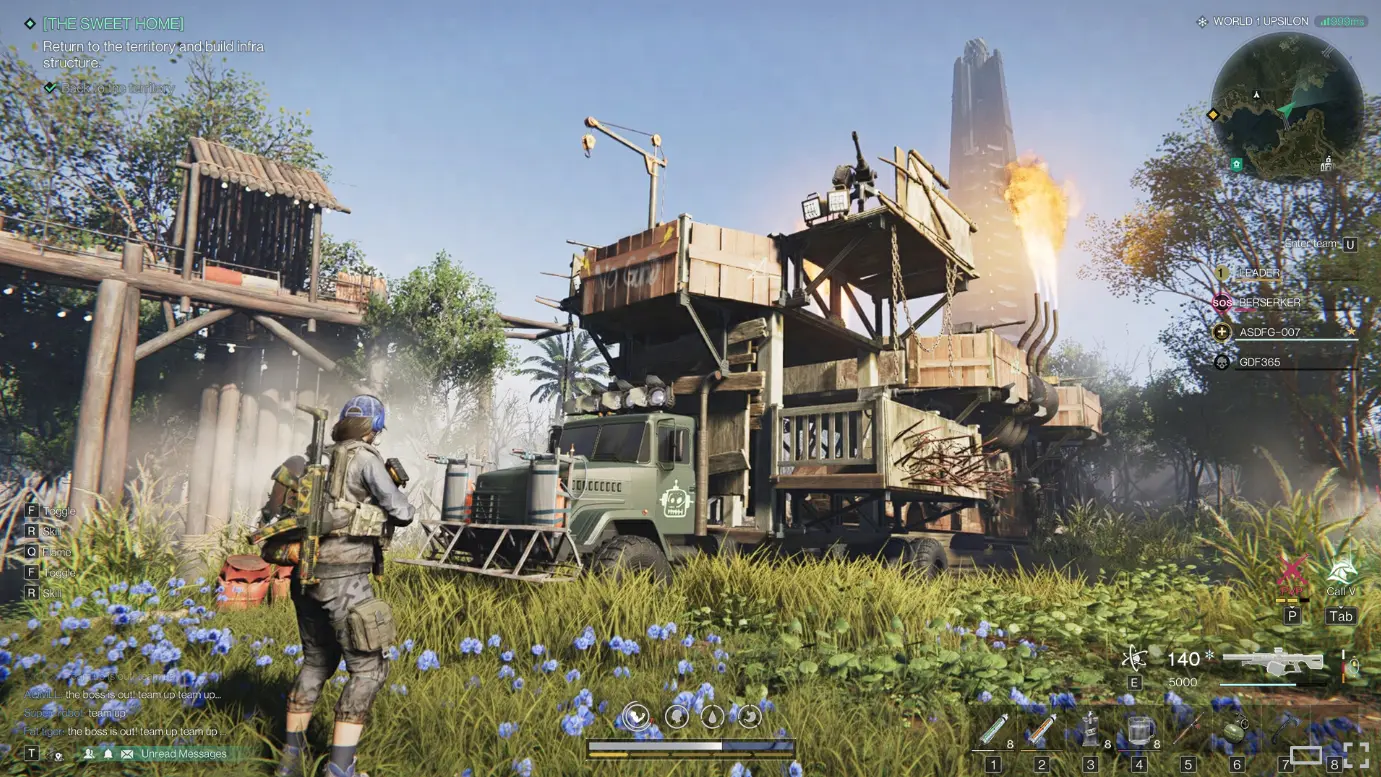
Base building isn’t a side activity — it’s the central hub for crafting, upgrades, storage, and recovery. Without a functioning base, progression slows noticeably and combat gets harder to sustain, because your gear stops improving at the pace the world demands.
You gather materials through exploration and farming, then feed them into building and upgrading your structures. Base strength connects directly to how well your crafting and progression systems perform, which loops back into how survivable combat and exploration feel.
What Sets This Apart From a Standard Survival Game
The thing that separates Once Human from a straightforward survival shooter is environmental pressure. The world doesn’t just send enemies at you — it applies conditions like temperature shifts, contamination zones, and resource scarcity that force you to prepare differently for each situation you walk into.
Survival here is about planning ahead of a zone, not reacting once you’re already in trouble. For the full breakdown of these systems, see our Once Human survival systems guide.
How It Compares to Rust and DayZ
Rust is built around player-versus-player pressure above almost everything else. DayZ leans into raw survival with a thin progression structure on top. Once Human sits between the two — it keeps the environmental tension both games are known for, but wraps it in a clearer, more structured progression path.
That makes it more approachable for players who want a sense of direction, while still holding onto the tension that draws people to the genre in the first place.
For current server status and patch notes, see Once Human’s official Steam page.
Is Once Human Gameplay Worth Learning?
The loop rewards patience and adaptation over fast payoff. If systems-driven survival with real exploration and base building appeals to you, it delivers on that. If you want immediate action with a short learning curve, the ramp-up here will feel slower than genre norms.
The pressure builds gradually by design — for players who like that kind of tension, it’s one of the more distinct survival loops available right now. For our full take on whether it’s worth your time, read the Once Human review.
FAQ
What are the core gameplay systems in Once Human?
Exploration, combat, base building, and resource management. They’re interconnected — weakness in one affects your performance across the others.
Is Once Human more like Rust or DayZ?
Neither exactly. It has more structure and progression than DayZ, and less PvP focus than Rust, sitting in between the two.
Does base building actually matter for combat?
Yes. Your base drives crafting and gear upgrades, which directly affects how well you can handle later combat encounters.